
BRAIN MAGNETIC RESONANCE IMAGING: HOW LONG DOES IT LAST?
Have you ever wondered how long a brain MRI takes? Knowing how long it will take can help you plan and put your mind at ease.
In this article, we’ll answer your questions about the time it takes for a brain MRI and provide helpful information so you can be well-prepared for your exam.
What is a brain MRI?
A brain MRI is a medical imaging test that provides detailed pictures of the brain and nervous system.
Unlike other studies like X-rays, this procedure uses radio waves and a magnetic field to create images without exposing you to radiation.
Doctors often recommend a brain MRI to evaluate issues such as chronic headaches, neurological changes, or possible tumors. This test can be performed with or without contrast, depending on the level of detail needed for the diagnosis.
For more information on the benefits of this procedure, check out our article on brain MRI studies.
Factors that determine how long a brain MRI scan lasts
The duration of a brain MRI can vary depending on several factors:
- Type of MRI: Whether the study is done with or without contrast affects the total time.
- Image quality required: Some conditions call for more detailed images, which may extend the exam.
- Preparation and positioning: Before starting, the technician will ensure you are in the correct position and comfortable.
- The patient's cooperation: If the patient must remain completely still during the study, which is vital to obtain clear images, the time may vary depending on the patient's comfort and peace of mind.
These factors not only determine the length of the test but also ensure accurate diagnostics.
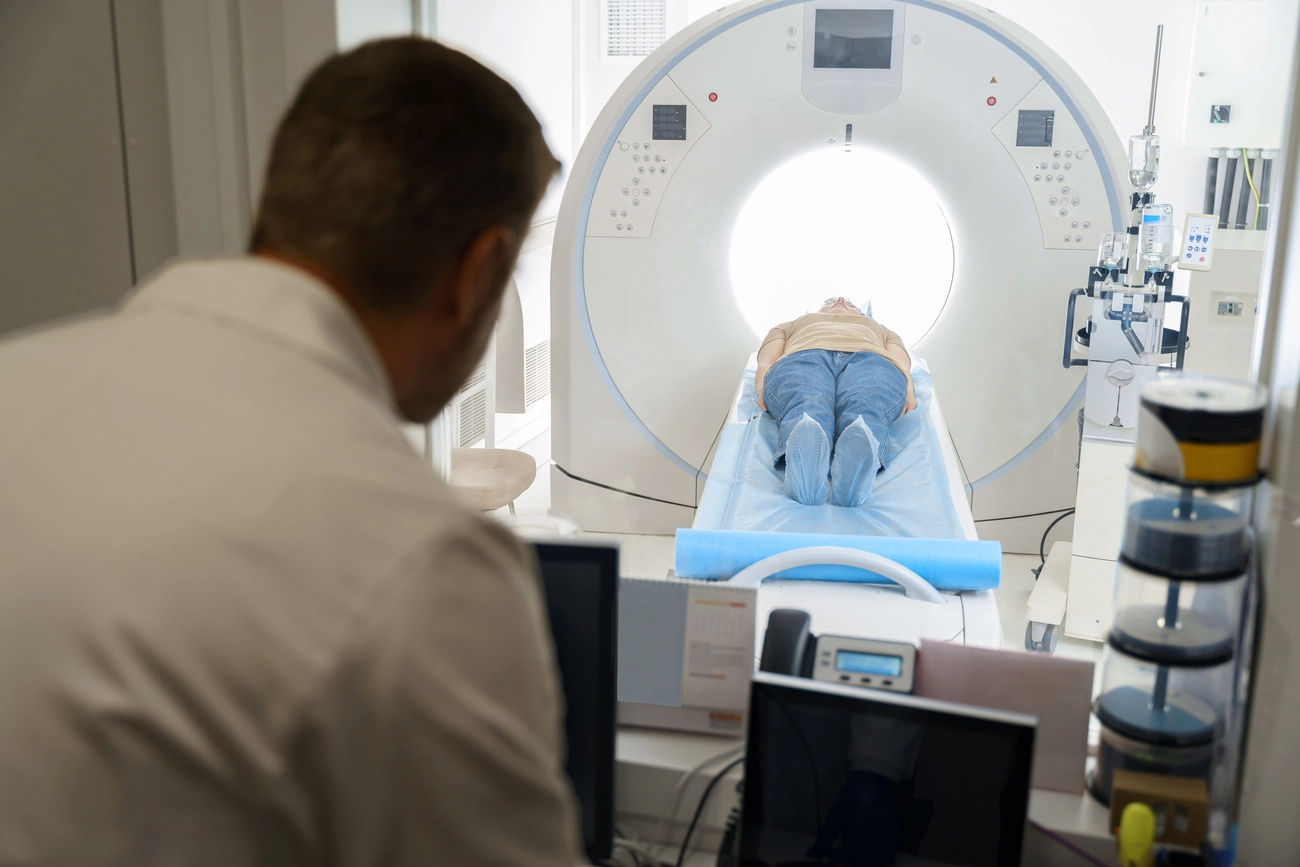
On average, how long does a brain MRI take?
On average, a brain MRI lasts between 30 and 60 minutes. This time range may vary depending on the factors mentioned above.
If contrast is used, the process may take a few minutes longer due to the injection of the contrast and the time needed for it to be distributed in the body.
- Without contrast: A non-contrast MRI usually lasts from 30 to 45 min.
- With contrast: May take between 45 and 60 minutes.
The entire process also includes extra time for changing clothes, asking questions, and receiving instructions. While it may seem lengthy, the procedure is painless, and many people describe it as a restful experience.
In addition, it is important to keep in mind that before the study there is an administrative process that includes the completion of the application form and the delivery of the necessary documents.
For more details on the differences between MRIs with and without contrast, check out our guide oncontrast MRIs.
Tips to prepare before your MRI
Preparation is key to ensuring your MRI is smooth and quick. Here are some tips:
- Wear comfortable clothing: While you might need to change into a gown, comfortable clothing can make the process easier.
- Avoid metallic accessories: The machine's magnets can affect metal objects, so leave jewelry and other items at home or in a locker.
- Relax and follow instruction: taying calm is essential. Don’t hesitate to ask the technician any questions you may have.
If you’re claustrophobic, inform the staff beforehand. Many centers offer relaxation techniques or even medication in specific cases to ensure your comfort.
Conclusion
In summary, a brain MRI takes 30 to 60 minutes, depending on the type of exam and necessary preparations. The key to a smooth experience is preparation and understanding the process.
At our radiology center, we have state-of-the-art technology and a team of professionals committed to providing you with the best possible care. If you are interested in having an MRI brain scan or have further questions about the procedure, please do not hesitate to contact us. We are here to provide you with accurate diagnoses and make sure you feel comfortable at all times.
Did you find this information helpful? Be sure to read more about head MRI study or visit our website to learn how this procedure can help you take better care of your health.